


Switching to a home solar system raises a big choice: should you put solar panels up with batteries or without them? The choice has an impact on savings, dependability, and long-term performance.
- Lower initial cost vs. long-term savings.
- Daytime usage vs. nighttime energy independence.
- Dependence on the grid vs. backup protection.
Enelex Electrical Services has over 10 years of experience working across Melbourne. Our team specialises in solar battery installation tailored to how your property consumes power. In this blog, we cover understanding the difference between the usage of solar panels with batteries vs. without batteries.
Solar panels without batteries send extra energy to the grid, while solar panels with batteries store energy that isn't being used for night use. Battery systems cost more up front, but they make you less dependent on the grid and give you more energy independence.
How Does a Home Solar System Without Batteries Work?
A home solar system without storage is grid-connected. During the day, the generated electricity powers your property first, and then it sends extra energy to other places.
Technical flow:
- DC electricity is produced by solar panels.
- DC is converted to AC by an inverter.
- Property uses solar power instantly.
- Exporting extra energy to the grid.
- Power is imported at night.
This setup is commonly recommended by solar battery installation experts because it pays off the fastest. But there is no energy stored for later use.
Advantages:
- Less expensive to install.
- Easier to set up.
- Less work to do.
- Return on investment faster.
Limitations
- No power during outages.
- Less control over energy consumption.
- Dependence on grid pricing.
Choose Between Solar Batteries With Confidence
How Does a Solar System With Batteries Work?
Adding batteries changes how a residential solar installation performs. Instead of exporting all excess electricity, the system stores energy for later.
Technical flow:
- Solar panels generate power.
- Property uses energy first.
- The surplus charges the battery.
- Battery powers evening loads
- Remaining surplus exports to grid.
This improves self-consumption from roughly 30-40% to 70-90%.
Advantages:
- Reduced grid reliance.
- Night-time solar usage.
- Backup power capability.
- Better long-term savings.
Limitations:
- Higher upfront cost.
- Battery replacement after 10-15 years.
- More complex installation.
What Are The Key Technical Differences?
|
Feature |
Without Battery |
With Battery |
|
Energy storage |
No |
Yes |
|
Night-time solar use |
No |
Yes |
|
Backup during outage |
No |
Yes |
|
Upfront cost |
Lower |
Higher |
|
System complexity |
Simple |
Advanced |
|
Self-consumption |
30-40% |
70-90% |
Battery systems also rely on correctly sized solar panel inverters, which manage charging, export limits, and load balancing.
Why Are Batteries Becoming Popular in Australia?
Electricity pricing in Australia is changing:
- Feed-in tariffs dropping.
- Peak electricity prices are rising.
- Increased evening consumption.
Using stored energy becomes more cost-effective than exporting power. Many solar installations now consider solar battery installation in Melbourne to reduce peak demand charges.
Regular maintenance also matters. Ask your solar installation expert for tips to improve the performance of your solar system and practical optimisation strategies.
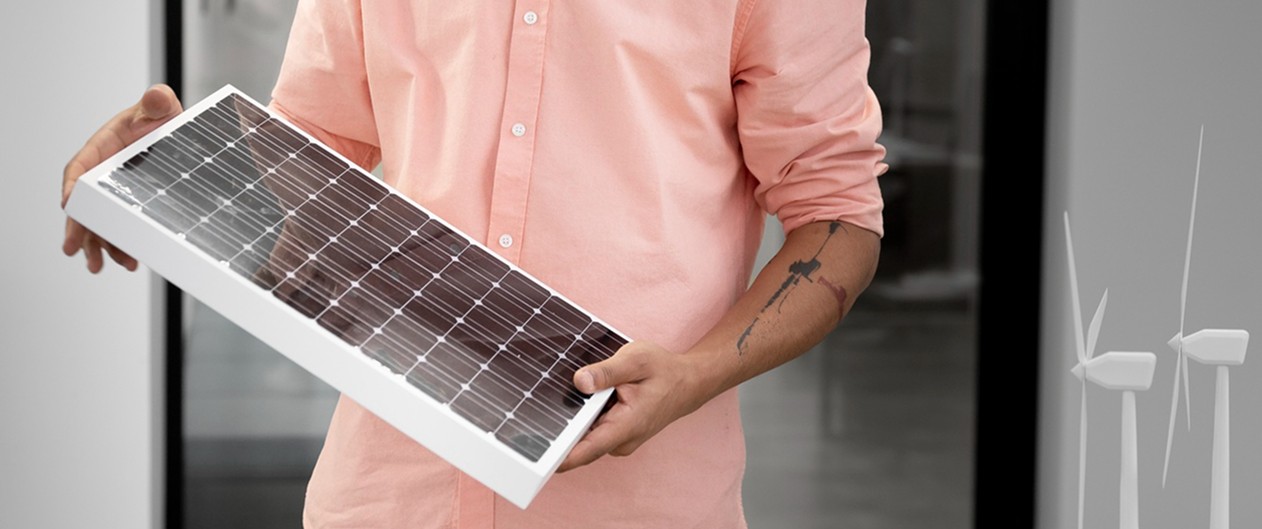
When Should You Choose Solar Without Batteries?
Solar without storage suits the following:
- Budget-conscious households.
- Daytime energy users
- Properties with stable grid supply
- Fast ROI priorities
Solar without storage suits budget-conscious households and also allows flexibility for retrofitting battery storage later.
When Should You Choose Solar with Batteries?
Battery systems are ideal for:
- Evening-heavy energy use.
- Energy independence goals.
- Blackout protection needs.
- EV charging integration.
- Long-term savings planning.
If inverter issues arise later, professional support such as emergency solar inverter repair in Melbourne may be required to restore battery integration.
Can You Add Batteries Later?
Many solar installation projects now use a solar battery storage system. This includes:
- Hybrid inverter setup.
- Switchboard capacity allowance.
- Spare circuit planning.
If failures occur, consult a professional. They will help you understand warning signs early and provide you expert support for fixing solar inverter failures.
What About Maintenance and Repairs?
Solar systems require occasional servicing, such as the following:
- Inverter monitoring.
- Wiring checks.
- Output testing.
Services like solar inverter replacement may be necessary depending on system age. General solar panel repair can also improve system efficiency.
Get More Value From Your Solar Installation
Conclusion
Solar panels without batteries offer affordability and faster payback, while battery systems provide independence and better long-term savings. The right option depends on energy usage and budget.
Enelex Electrical Services helps with solar battery installation in Melbourne. We provide clear advice, safe installation, and ongoing support. Get in touch to discuss the best solar solution for your needs.
FAQs
Do solar batteries work during blackouts?
Yes, but only if configured correctly. Systems require backup circuits and compatible inverters. Without these, solar systems shut down for safety. Battery backup setups allow essential appliances to run during outages.
Is a battery worth it for a home solar system?
It depends on energy usage. Households with high evening consumption benefit most. Batteries increase self-consumption and reduce grid reliance, which improves long-term savings.
Can I install batteries later?
Many solar system setups are battery-ready. Installing a hybrid inverter initially makes future upgrades easier and more cost-effective.
Do batteries reduce electricity bills significantly?
Yes. Batteries allow you to use stored solar instead of purchasing peak-rate electricity. This improves savings, especially with rising energy costs.


