
Enelex Electrical Services
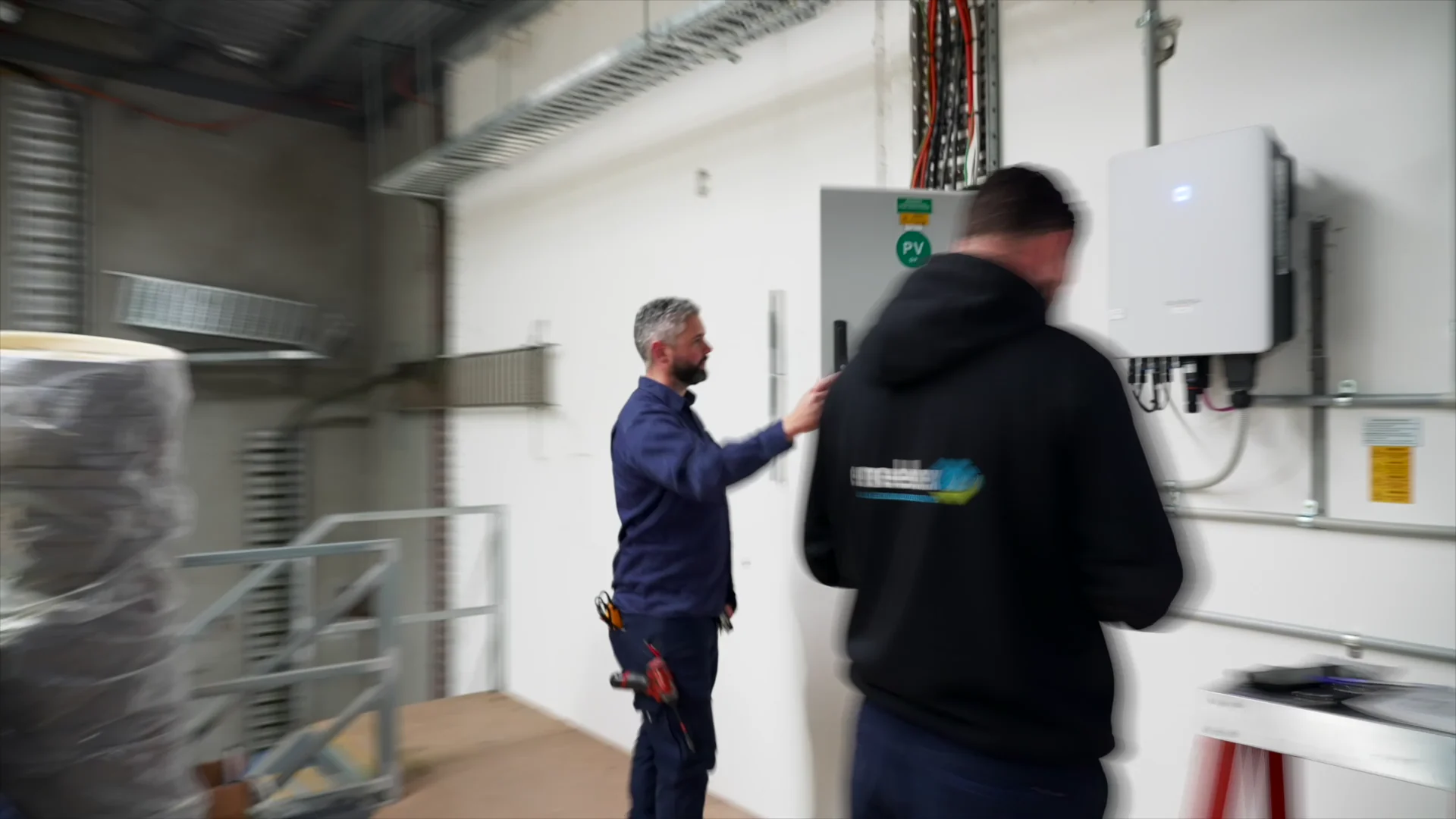
Two workers beside wall-mounted solar equipment

Solar & batteries

Solar battery installation in Melbourne

Talk directly with Enelex about adding battery storage to an existing solar system or planning solar and battery equipment together for a Melbourne property.

What Enelex can help with

Start with the property and the work you are planning.

Every property and existing installation is different. Enelex can assess the current setup before the required scope is confirmed.

  • Battery installation enquiries for existing solar systems
  • New solar and battery system enquiries
  • Existing equipment and battery compatibility assessment
  • Residential and commercial property enquiries

Start with the whole property

A battery is part of an electrical system, not a stand-alone product.

Adding storage is not simply a matter of choosing a capacity and attaching it to the solar system. The existing inverter, switchboard, metering, battery position, cable route and the way the property uses energy can all change what is practical.

Enelex begins with the current installation and the outcome you want. That might be using more of your solar later in the day, planning for future electrical loads, or considering backup for selected circuits. The system design needs to match the property rather than a generic product bundle.

The basic energy flow

How a home battery works through the day.

The exact behaviour depends on the selected equipment and system settings, but a typical grid-connected solar and battery system follows this sequence.

  1. 01

    Solar powers the property

    During daylight hours, available solar generation is used by the property before surplus energy is considered.

  2. 02

    Surplus can charge the battery

    Energy that is not being used at the time can be directed into compatible battery storage instead of being exported immediately.

  3. 03

    Stored energy can be used later

    The battery can supply energy when solar production falls, subject to its available charge, output and system settings.

  4. 04

    The grid remains part of the system

    When solar and stored energy are not enough, a grid-connected property can continue drawing electricity from the network.

Two different starting points

The right pathway depends on what is already installed.

Existing system

Adding a battery to existing solar

Existing solar does not automatically need to be replaced. Enelex can assess whether a battery can work alongside the current equipment and what electrical or physical work is involved.

An AC-coupled battery may be practical in some retrofits because it can operate alongside the existing solar inverter. In other situations, a broader inverter or system change may make sense. Neither direction should be assumed before the full installation is considered.

What to check before adding a battery to existing solar

New or broader upgrade

Planning solar and battery together

When solar and storage are being planned together, the panels, inverter, battery, monitoring and electrical infrastructure can be considered as one system.

The design can account for current usage, likely future loads, available installation space and any backup requirements from the beginning, rather than trying to adapt those decisions later.

Assessment before equipment

What Enelex assesses before recommending a direction.

These checks help separate a workable system design from a battery chosen mainly from a brochure or headline capacity figure.

Energy use and timing

How much electricity the property uses, when it is used and which loads are likely to draw from the battery.

Existing solar performance

The current system size, generation, exports and whether equipment needs investigation before storage is added.

Inverter and equipment

The inverter model, system configuration, monitoring and practical compatibility pathways for the equipment already installed.

Switchboard and metering

Available space, protection, metering and any electrical work that may be required as part of the installation scope.

Battery location and cable route

A suitable position, physical clearances, access, exposure and the route between the battery and the existing electrical equipment.

Backup expectations

Whether outage backup matters, which loads are important and whether the proposed equipment and electrical design can support that goal.

Future electrical loads

Likely changes such as EV charging, appliance electrification, additional solar or changing household energy use.

Network and approval requirements

The distribution network and approval requirements that apply to the property and proposed system changes.

Have an existing system?

Discuss the property before choosing equipment.

Send recent energy information and any system photos you already hold. Only take new photos from a normal, safely accessible position; do not approach equipment or open covers. Enelex can explain what else is needed for a useful assessment.

Capacity, output and expectations

Battery size is only part of the decision.

A useful comparison looks beyond the advertised storage number. The battery also needs to suit the energy available to charge it and the loads expected to draw from it.

Sizing around real energy use

  • Evening and overnight electricity use
  • Available solar surplus and seasonal variation
  • Usable storage rather than the headline figure alone
  • Power output and the loads expected to run at the same time
  • Future loads such as EV charging or appliance electrification
How household energy use shapes battery sizing

Blackout expectations

Backup power is not automatic.

A battery does not automatically keep a property powered when the grid fails. Backup requires compatible equipment and a system deliberately designed for that purpose.

Supporting selected essential circuits is different from broader backup expectations. Battery capacity, power output, inverter capability and the switchboard configuration all need to be considered before the scope is confirmed.

The physical installation

The equipment still has to suit the property.

Product compatibility is only one part of the job. The position of the battery and the route back to the electrical equipment can materially affect the design and installation scope.

Location and infrastructure checks

  • Available wall or floor space
  • Required physical clearances
  • Exposure and equipment protection
  • Access for installation and servicing
  • Distance from inverter and switchboard
  • Cable route through the property
  • Switchboard space and protection
  • Metering and network requirements

A practical recommendation

A battery is not automatically the right first step.

Some properties need an existing solar fault investigated, an inverter issue resolved, switchboard work completed or a clearer view of energy use before storage can be scoped properly.

The purpose of an assessment is not to force every enquiry toward the same battery. It is to establish whether storage is practical, what other work may be involved and which options deserve a proper comparison.

Smoke, fire or immediate danger?

Keep clear of the solar or battery equipment and call 000. Do not touch the system or attempt your own inspection.

A clear next step

From first contact to a defined scope.

  1. 01

    Tell us about the property

    Share the property type, any existing solar equipment and what you want the battery system to help with.

  2. 02

    Arrange an assessment

    The Enelex team can confirm what system information is needed and arrange the appropriate next step.

  3. 03

    Review a property-specific scope

    Equipment compatibility, installation location and electrical work are considered before the required scope is confirmed.

Before you enquire

Frequently asked battery questions.

These answers explain the usual decision points. A property-specific assessment is still required before equipment or installation scope is confirmed.

Can I add a battery to an existing solar system?

Often there is a practical pathway, but it depends on more than the age of the solar system. Enelex considers the inverter and existing equipment, switchboard, metering, battery location, cable route, energy use and the outcome you want before confirming a direction.

Do I automatically need a new inverter?

No. Some projects may suit an AC-coupled battery that works alongside the existing solar inverter. Other properties may justify a broader inverter or system change. The physical installation and electrical scope can be just as important as inverter compatibility, so the options should be assessed together.

Will a battery keep the property running during a blackout?

Not automatically. Backup requires compatible equipment and a system designed for that purpose. The required scope also depends on whether you want selected essential circuits supported or have broader backup expectations.

How is the right battery size determined?

Useful capacity should be considered alongside electricity use, solar surplus, seasonal variation, battery power output, backup goals and future loads. Buying the largest available battery does not automatically produce the most suitable result.

Where can a battery be installed?

The position needs to be assessed for the property and selected equipment. Physical clearances, access, exposure, the switchboard and inverter locations, cable routing and future servicing can all affect the installation scope.

What should I send Enelex for an initial discussion?

Send the property address, a recent electricity bill if available, any system photos you already hold and a short explanation of what you want the battery to achieve. Only take new photos from a normal, safely accessible position. Do not approach damaged equipment, open covers or touch electrical equipment to gather details.

Discuss your solar battery project

Speak directly with the Enelex team.

Call during Monday–Friday, 7:00 am–4:00 pm, or send details and photos only if they are safely accessible. Do not approach damaged or exposed electrical equipment or remove covers.