
Energy-use timing
Daytime, evening and seasonal use affect how on-site generation may align with household demand.
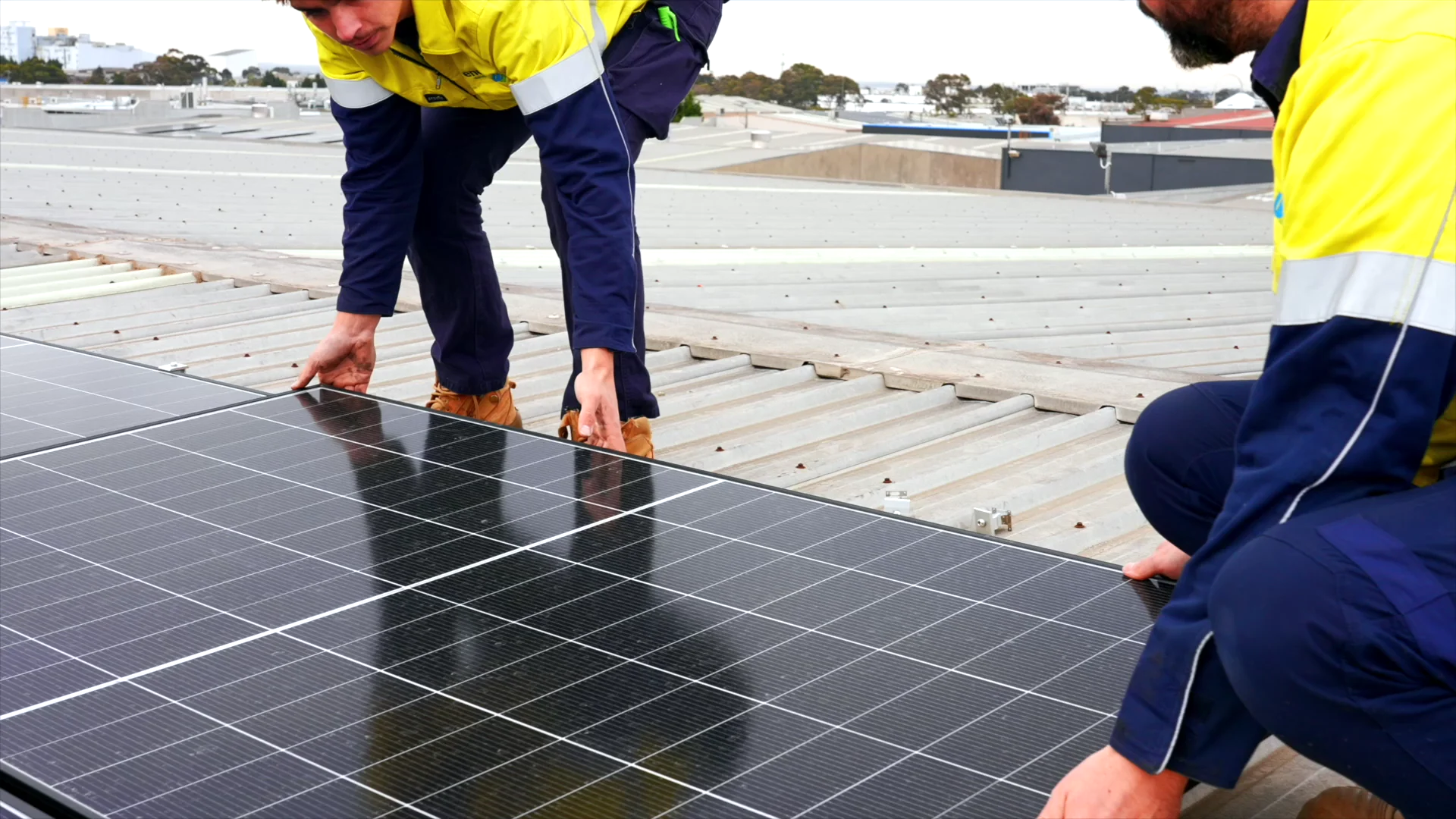
Solar & batteries
Plan a new home solar system around electricity-use timing, the property, existing electrical infrastructure and likely future loads.
What Enelex can help with
Every property and existing installation is different. Enelex can assess the current setup before the required scope is confirmed.
The right starting point
A useful residential design starts with how the household uses electricity and what the building can support, rather than a standard package.
Enelex starts with the property, installed equipment and available evidence. Assessment comes before a confirmed repair, replacement, design or maintenance scope.
What shapes the assessment
These factors help establish what is known, what needs checking and which project directions deserve consideration.
Daytime, evening and seasonal use affect how on-site generation may align with household demand.
Available roof areas, orientation, shading, condition and safe installation access shape practical panel placement.
The switchboard, metering, supply and cable routes may affect the work required beyond the panels and inverter.
Battery storage, EV charging and appliance changes are worth considering before the initial system direction is set.
Scope and decision points
Panel and inverter options are considered against the usable roof area, energy profile and electrical installation.
The applicable connection and metering steps depend on the property and proposed system.
Future storage can be considered without assuming a battery must be included in the first stage.
Roof access, equipment positions and cable routes influence how the work can be delivered.
Prepare a useful enquiry
Use the Contact page for written information. Do not climb onto a roof, open covers, touch equipment or approach damaged electrical or solar components to gather details.
Send a written enquiryShare the address, property type and whether you own or manage the property.
Email a recent bill and any available interval-use information, or mention that you have it ready when you call.
Mention likely battery storage, EV charging, renovations or appliance changes.
Send existing plans or equipment records if available; do not climb onto the roof or open electrical equipment.
For smoke, fire or immediate danger, keep clear of the equipment and call 000. Do not touch the system or attempt your own inspection.
A clear next step
Explain the property type, electricity-use pattern, existing equipment and any future battery, EV or electrification plans.
Enelex can review roof and access constraints, shading, electrical infrastructure, metering and the applicable network pathway.
The equipment and installation work can be documented after the property constraints and intended use are understood.
Before you enquire
The answers set practical boundaries. Call Enelex to discuss the property-specific next step.
Enelex considers electricity-use timing, usable roof space, shading, electrical infrastructure, metering, the connection pathway and future loads before defining a proposed direction.
No. Household use and property constraints differ, so a standard capacity should not be assumed before assessment.
Yes. Future storage goals can inform the initial planning even when a battery is not part of the immediate project.
Related building or electrical constraints can be identified during planning so the required sequence and responsibilities are clear before the solar scope is confirmed.
Related solar services
Discuss residential solar
Call during Monday–Friday, 7:00 am–4:00 pm, or send details and photos only if they are safely accessible. Do not approach damaged or exposed electrical equipment or remove covers.