
Expected versus observed output
The reported change, time period and basis for comparison help establish the diagnostic question.
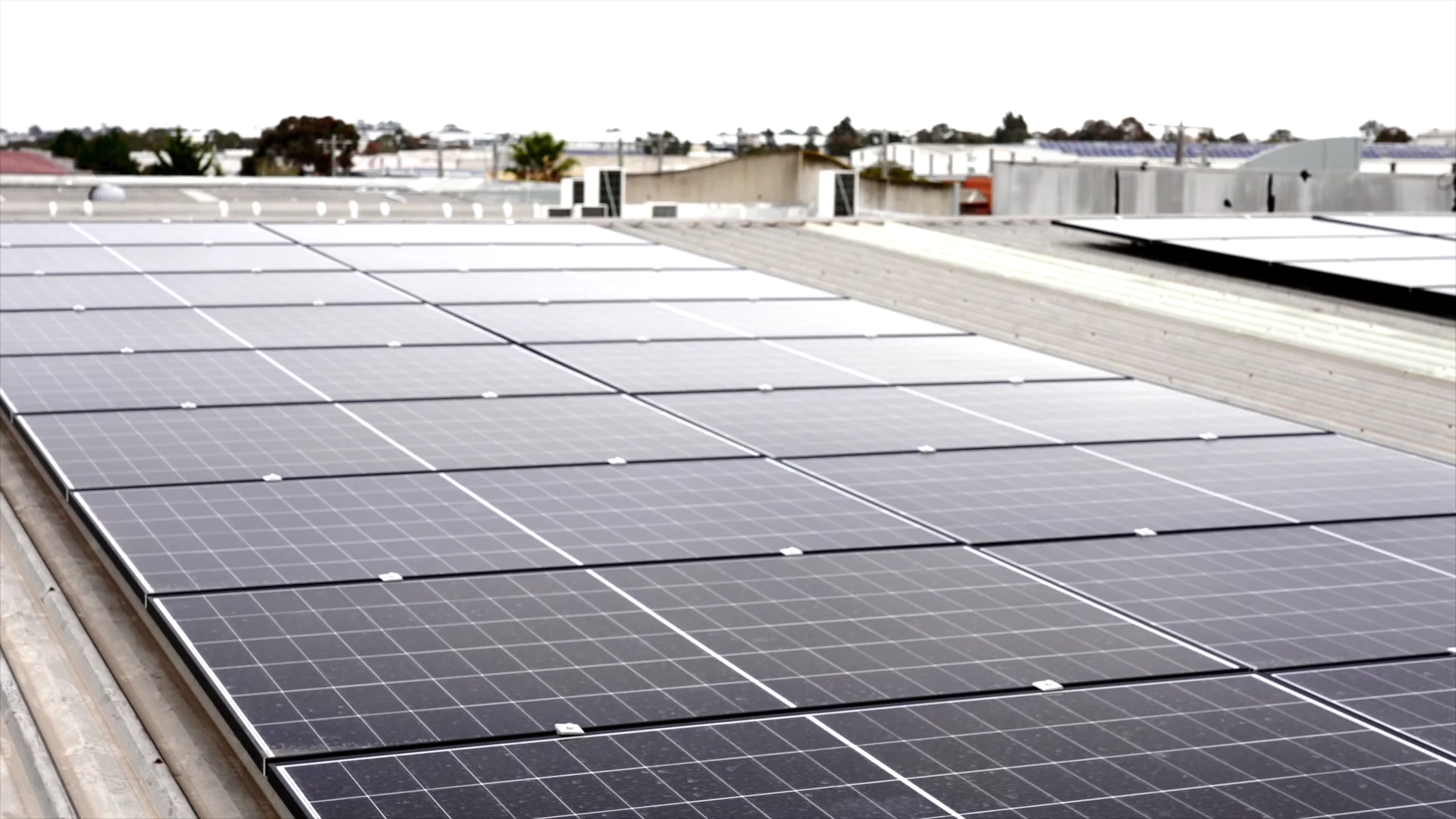
Existing solar support
Bring monitoring history and known underperformance together to guide triage, then use site assessment where required to confirm the electrical cause.
What Enelex can help with
Every property and existing installation is different. Enelex can assess the current setup before the required scope is confirmed.
The right starting point
Monitoring can reveal patterns and events, while electrical diagnosis establishes why they occurred. Known underperformance needs both forms of evidence considered in the right order.
Enelex starts with the property, installed equipment and available evidence. Assessment comes before a confirmed repair, replacement, design or maintenance scope.
What shapes the assessment
These factors help establish what is known, what needs checking and which project directions deserve consideration.
The reported change, time period and basis for comparison help establish the diagnostic question.
Gaps, connectivity and data availability affect what conclusions can be drawn remotely.
Repeated events and their timing can help target further investigation.
System configuration, weather events, building work and electrical conditions may explain patterns that data alone cannot.
Scope and decision points
Existing information can be reviewed to decide what should happen next.
Where the issue is data visibility, the required monitoring pathway needs assessment for the installed system.
Electrical testing may be required to confirm causes that monitoring cannot establish.
Any repair scope follows diagnosis rather than being inferred from a graph or alert alone.
Prepare a useful enquiry
Use the Contact page for written information. Do not climb onto a roof, open covers, touch equipment or approach damaged electrical or solar components to gather details.
Send a written enquiryExplain when the change began and whether it is continuous or intermittent.
Share screenshots or reports already available through normal account access.
Mention outages, storms, building work or equipment changes around the time the issue began.
Provide model and installation information already held; do not open or approach equipment to obtain it.
For smoke, fire or immediate danger, keep clear of the equipment and call 000. Do not touch the system or attempt your own inspection.
A clear next step
Explain the expected and observed behaviour and provide available monitoring history through the written enquiry pathway.
Enelex can assess whether further records, monitoring access or on-site diagnostic work are needed.
Repair or further investigation is defined only after the relevant evidence and electrical conditions are assessed.
Before you enquire
The answers set practical boundaries. Call Enelex to discuss the property-specific next step.
Not always. It can identify useful patterns, but electrical diagnosis may still be required.
Remote information may support triage. Whether the cause can be confirmed depends on the available data and the nature of the issue.
No. A monitoring or communications gap can be different from an electrical generation issue, so the two need to be separated.
This pathway starts with known underperformance or a monitoring concern. A health check is a proactive assessment for condition or a planned decision.
Related solar services
Discuss solar underperformance
Call during Monday–Friday, 7:00 am–4:00 pm, or send details and photos only if they are safely accessible. Do not approach damaged or exposed electrical equipment or remove covers.