


Most people don't think about their inverter until the power bill lands. By that point, weeks of poor solar output have already done the damage. Sunny days should mean lower bills. When they don't, the inverter is usually the first place worth looking at. When your inverter fails, it leads to the following:
- Higher electricity bills despite sunny weather.
- Random inverter shutdowns during the day.
- Warning lights, overheating, or unusual noises.
Enelex Electrical Services has worked as a residential electrician in Melbourne for over 10 years, sorting out inverter problems across Australian homes. In this blog we will look at the top warning signs that indicate solar inverter failure.
A failing inverter doesn't make a fuss. It just quietly reduces your output and pushes your electricity bill upward. Left alone long enough, it becomes a safety issue too. Fault alerts, heat problems, poor generation, and random shutdowns are the things to watch for. A residential electrician in Melbourne who spots the issue early can often keep the job small and the cost manageable.
Key Warning Signs Your Solar Inverter May Be Failing
1. Your Electricity Bills Suddenly Increase
Good weather and a rising power bill don't add up. When that happens, most people check the panels first. Often, though, the inverter is where the problem sits.
Worn capacitors, heat buildup, voltage protection events, and poor conversion efficiency all reduce how well DC power becomes usable electricity. The actual cause tends to stay hidden until someone books a solar system inspection and looks properly.
Stop Losing Solar Savings Without Realising It
2. Warning Lights Or Error Codes Keep Appearing
Inverters give warning before they fail. Grid faults, earth faults, relay failures, isolation faults, and overvoltage alerts are all ways the unit communicates that something is off. One fault that never returns is rarely worth losing sleep over.
The same alert showing up repeatedly is a different story. At that stage, solar inverter repairs need to happen sooner rather than later, because the underlying cause won't fix itself.
3. Solar Monitoring Shows Low Energy Production
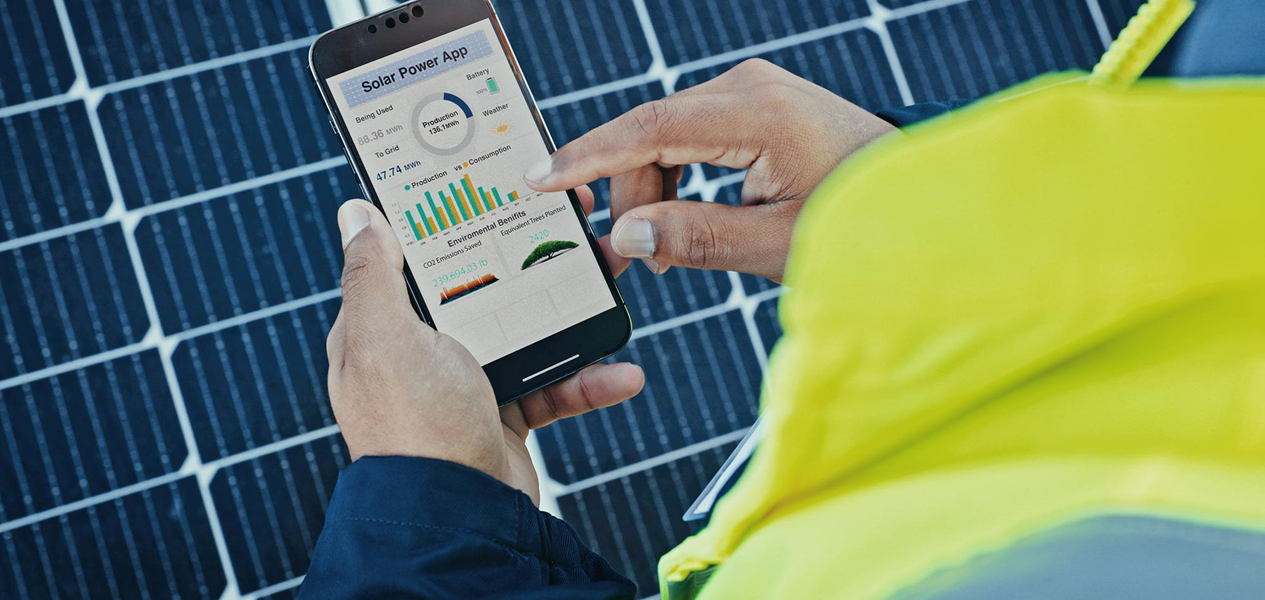
A clear day with low output numbers is a red flag. It doesn't usually mean the panels are dirty or damaged. Thermal derating, MPPT tracker faults, damaged DC inputs, and communication board issues all suppress generation without showing any outward sign.
The habit of checking monitoring data regularly makes these drops easier to catch early, before they drag on unnoticed for weeks.
4. The Inverter Feels Excessively Hot
Some warmth from an inverter is fine. Persistent, intense heat is not. Plenty of Melbourne homes have inverters in spots that were never ideal to begin with. Poor airflow, direct afternoon sun, and cramped wall spaces push internal temperatures up fast.
A fan that runs constantly, a hot wall nearby, a burning smell, or shutdowns that line up with the hottest part of the day all point to thermal stress. That kind of ongoing heat shortens the unit's life quickly and often leads to solar inverter replacement well ahead of schedule.
5. Strange Sounds Are Coming From The Inverter
A working inverter is essentially silent. Clicking, buzzing, popping, or crackling from the unit means something inside is not right. Relay problems, loose connections, a fan that's starting to fail, and electrical arcing all show up as noise before they show up as anything else.
Crackling is the one that needs attention straight away. It can mean arcing is happening inside the unit, and that is a fire risk worth taking seriously.
6. The System Randomly Shuts Down
Shutting down on a bright afternoon looks strange from the outside. In practice, it often comes down to grid overvoltage. Across many Australian suburbs, the sheer number of solar systems feeding into the grid pushes voltage above safe limits during peak hours.
The inverter responds by cutting out. Once or twice might not mean much. Happening consistently, it needs a proper assessment from a qualified electrician who can test the system and identify what is driving it.
7. Your Inverter Is More Than 10 Years Old
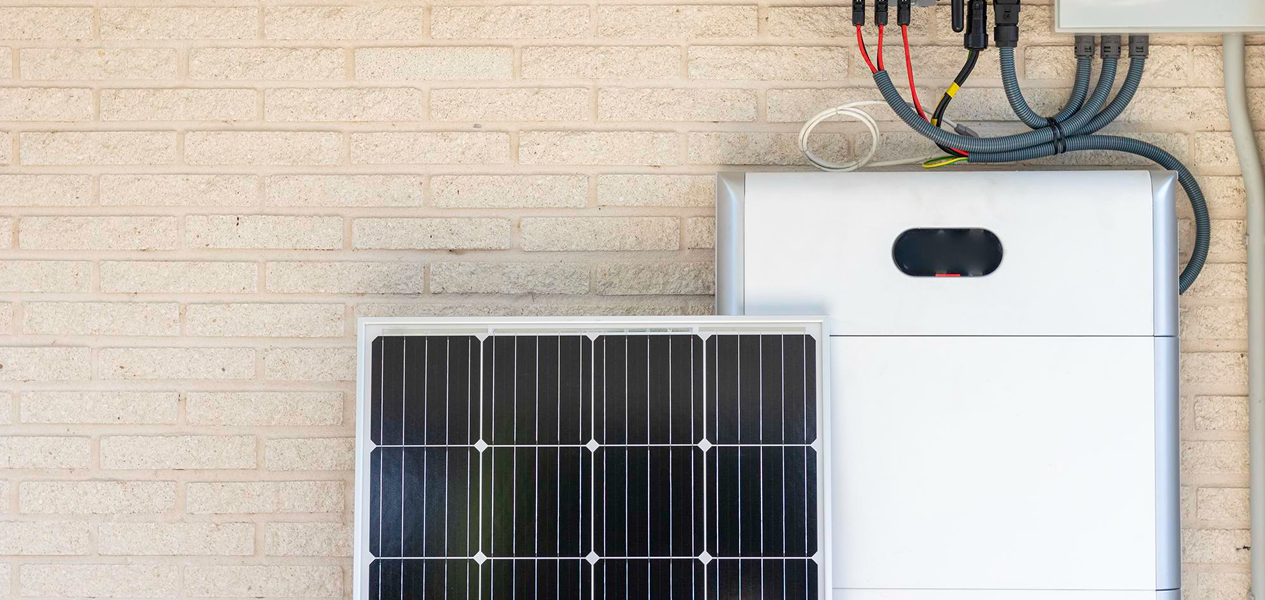
Running and running well are two different things. Older inverters lose efficiency bit by bit, and that decline is easy to miss until the bill reflects it. Monitoring becomes less reliable, battery storage is rarely compatible, and fault events creep up in frequency.
Eventually the callout costs stack up past the point of sense. In the past ten years with recurring issues, solar inverter replacement usually works out cheaper than continued repairs.
Get Clear Answers About Your Solar System Health
Conclusion
An inverter heading towards failure leaves a trail. Higher bills, heat, odd noises, fault codes, and midday cutouts are all part of it. Noticing these things early is what keeps the situation from turning into something far more disruptive and costly.
Enelex Electrical Services has over a decade of experience with solar inverter repair in Melbourne. Homeowners across the city rely on us for honest solar assessments and dependable work. Whether the situation calls for a solar system inspection, urgent repairs, or a full system review, the team can help. Reach out today and get a clear picture of where your solar actually stands.
FAQs
What Happens If You Ignore Inverter Warning Signs For Too Long?
A small fault left alone rarely stays small. Occasional error codes can develop into hardware failure, and hardware failure means extended periods without solar generation. The cost of a repair booked early is almost always lower than the cost of replacing components that failed because the warning went unaddressed. There is also a safety dimension. An inverter operating outside its safe range inside a home is not a situation worth leaving.
Does The Location Of An Inverter Affect How Long It Lasts?
It makes a bigger difference than most people expect. An inverter in a shaded, ventilated spot tends to run cooler and last longer. One mounted in direct sun with nowhere for heat to escape works harder just to stay within temperature limits. The original installation choice follows the unit for its entire life. If the placement is problematic, a qualified electrician can advise on whether moving it is worth pursuing.
Are All Solar Inverter Brands Equally Reliable in Australian Conditions?
There is a real difference between brands when it comes to handling Australian heat, grid voltage swings, and the conditions that vary across different states. Some units are built with those challenges in mind. Others are not. When choosing a replacement or upgrade, looking at how a brand performs specifically in Australian conditions matters more than price alone. A local warranty and solid after-sales support are both worth factoring in.
Can A Solar Battery Be Added To An Existing Inverter Setup?
Not always. Many older inverter models were never designed with battery storage in mind, and adding a battery to an incompatible setup simply won't work. Finding that out before purchasing a battery saves a lot of frustration. A qualified electrician can check the existing inverter model, confirm whether battery integration is possible, and outline what an upgrade path would look like if it isn't.


