


Watching your electricity bills creep up despite having solar can be genuinely frustrating. If your system isn't generating what it once did, it's tempting to assume the panels are simply worn out.
That's not always the case. Several things can drag output down, and most of them don't call for major repairs at all.
- Your solar system may be losing efficiency due to ageing or environmental factors
- Minor faults can develop over time without triggering obvious warning signs
- Some performance changes are normal, while others need professional attention
Enelex Electrical Services has spent over 15 years helping homeowners across Melbourne understand and maintain their solar systems. Considering Solar System Installation Melbourne, or already running a system? Either way, knowing what affects performance puts better decisions within reach. This blog covers the most common causes of reduced solar output, how to spot potential issues, and when professional advice actually makes sense.
Seasonal weather shifts, panel ageing, dirt build-up, shading, inverter faults, high grid voltage, and hidden electrical issues sit behind most of these drops. Knowing what's behind reduced output helps homeowners tell normal wear apart from a fault that actually needs a professional solar inspection. Experts like Enelex Electrical Services help Melbourne homeowners understand why a solar system installation in Melbourne might start producing less power over time.
Is It Normal For A Solar System To Produce Less Power Over Time?
Yes, some performance drop-off is completely normal as a system ages. Panels sit outside day after day, taking on sunlight, wind, rain, heat, dust, and constantly shifting weather. That daily exposure gradually chips away at how efficiently they turn sunlight into electricity.
A sudden drop, though, tells a different story from normal aging. If your system performed well during the same season in previous years and now shows a noticeable decline, something else may be going on, a fault, shading, dirt, or unusual inverter behaviour.
Seasonal comparison matters here. Comparing winter production directly with summer production doesn't tell you much, since sunlight hours, cloud cover, and sun angle shift throughout the year. A better approach compares your current output with the same period in previous years, using your inverter or monitoring app.
Doing this helps separate normal seasonal variation from an actual performance issue worth investigating.
What Causes A Solar System To Lose Performance?
Several factors can chip away at how much electricity your system produces. Environmental causes tend to be temporary, while others point to something that genuinely needs testing or repair.
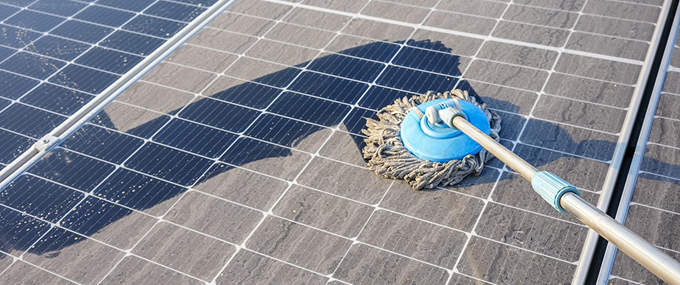
1. Dirt And Debris
Clear sunlight is what keeps panels working efficiently. Dust, bird droppings, leaves, pollen, and general grime can all get in the way, blocking sunlight before it reaches the panel surface.
Rain removes loose dust well enough, but it rarely clears heavier build-up. Dirt tends to become more noticeable near trees, construction activity, coastal air, dry conditions, or roof areas where debris naturally collects.
If dirt turns out to be the culprit, professional cleaning or a solar health check may restore performance without replacing any major components.
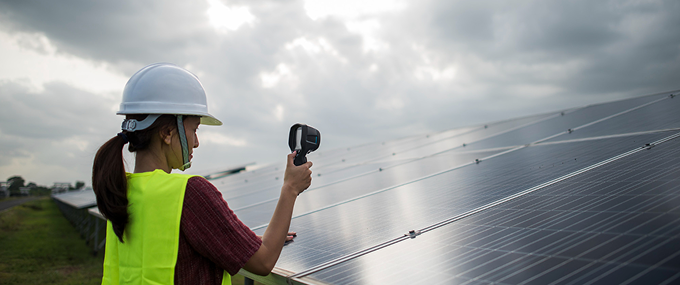
2. Shading That Has Developed Over Time
A system that performed well at installation can lose ground later if new shade develops around the property.
Common causes include:
- Growing trees.
- Roof vents.
- TV antennas.
- Satellite dishes.
- New roof equipment.
- New neighbouring buildings.
- Changes to nearby structures.
Even partial shade can reduce output more than people expect. This matters especially for systems using a traditional string inverter, where shade on one section can drag down a wider group of panels. Systems fitted with optimisers or microinverters soften the impact somewhat, but shade can still lower total production.
3. High Panel Temperatures
Solar panels generate electricity from sunlight, not heat, which surprises a lot of homeowners. Very hot conditions can actually reduce panel efficiency temporarily.
This means your system may not always hit peak performance on the hottest days. If panels or the inverter run too hot, output can dip even when sunlight is strong. That doesn't automatically point to a fault, but it does explain performance swings during heatwaves.
4. Natural Panel Ageing
Solar panels lose efficiency slowly over time, gradually enough that most homeowners never really clock it happening.
Normal ageing looks different from sudden underperformance, though. A slow, steady decline is generally exactly what you'd expect. A sharp or uneven drop, especially alongside warning signs, is a different matter and calls for a licensed solar electrician to take a closer look.
5. Hidden Panel Damage
Not every panel issue shows up from the ground. Microcracks, moisture entry, faulty bypass diodes, or internal cell damage can all cut output without any visible external sign.
These issues often trace back to hail, roof movement, poor handling, or foot traffic during maintenance. A professional inspection can pin down whether the problem sits with one panel, a whole string, the inverter, or somewhere else entirely.
Get More From Your Solar Investment Every Day
Could Your Inverter Be Reducing Solar Output?
Absolutely, and it happens more often than most homeowners assume. Panels generate the electricity, but the inverter is what converts it into power your home can actually use. Get that piece wrong, and the whole system can look like it's underperforming, even with panels sitting in perfect condition.
Inverters wear differently to panels, since they rely on electronic components that degrade with age rather than sun exposure alone. Where the unit sits, how well it's ventilated, and whether it's copped any electrical faults over the years all shape how long it holds up.
A weakening inverter tends to show itself in a few ways:
- Error messages appearing on the display.
- Warning lights flashing on and off.
- The system shutting down more often than it should.
- Daily generation sitting lower than expected.
- Production dropping out during otherwise sunny periods.
- Monitoring app data going patchy or missing altogether.
Spot any of these and it's worth booking solar inverter repairs sooner rather than later. Left alone, a struggling inverter tends to drag the rest of the system down with it.
Could High Grid Voltage Be The Reason?
In some Melbourne suburbs with plenty of rooftop solar nearby, electricity exported back to the grid can push voltage levels up during periods of strong generation.
When that happens, your inverter may automatically reduce output or temporarily disconnect, simply to comply with Australian electrical standards. This protective behaviour often gets mistaken for a fault, when really the system is doing exactly what it should.
A qualified electrician can work out whether the real issue lies with your inverter, your installation, or local grid conditions.
What Can You Safely Check Before Calling A Professional?
Homeowners should never climb onto the roof or open up electrical components themselves. There are, however, a few safe checks worth running before booking a service visit.
| Check | Why it matters |
|---|---|
| Compare production with the same month last year | Removes seasonal differences |
| Review your monitoring app | Identifies sudden production drops |
| Check for inverter warning lights | May indicate electrical faults |
| Look for new shading | Trees and nearby structures can reduce output |
| Inspect panels from ground level | Helps identify visible dirt or damage |
| Review recent electricity usage | Higher consumption may not always be a solar problem |
If everything checks out fine on that list and production is still slipping, a professional solar health check is the safest next move.
Repair, Upgrade Or Replace: Which Option Makes The Most Sense?
A drop in performance rarely means the entire system needs replacing. The right call depends on the system's age, its condition, and what your household actually needs from it today.
When A Repair May Be Enough
A targeted repair often does the job when the issue sits with one specific component.
Examples include:
- Loose electrical connections.
- Individual panel faults.
- Damaged isolators.
- Minor inverter faults.
- Wiring issues.
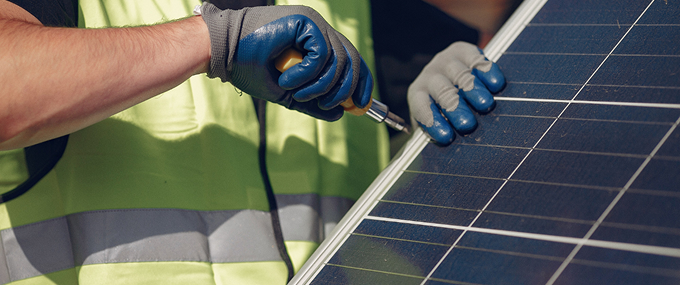
In plenty of cases, solar panel repair or solar inverter repairs can bring performance back without touching the rest of the system.
When A Solar System Upgrade May Be Worthwhile
Plenty of Melbourne homes installed their systems years ago, back when electricity consumption sat well below today's levels.
Your household may now run:
- Electric vehicles.
- Home offices.
- Induction cooking.
- Battery storage plans.
- Reverse-cycle air conditioning.
If your existing setup struggles to keep up with today's demands, a solar system upgrade may offer better long-term value than repeatedly patching an undersized system.
An upgrade might involve:
- Increasing inverter capacity.
- Adding additional panels, where suitable.
- Improving solar performance monitoring.
- Preparing the system for battery storage.
- Replacing ageing components with newer technology.
When Should You Consider A Solar Inverter Replacement?
An inverter doesn't automatically need replacing just because it develops a fault. That said, replacement is worth discussing if:
- Repairs are becoming frequent.
- Replacement parts are difficult to source.
- You're planning to install a battery.
- You're upgrading the size of your solar system.
- The inverter no longer works with newer monitoring technologies.
A professional assessment can determine whether solar inverter replacement genuinely makes sense as the long-term solution.
Upgrade Or Repair Your Solar System With Confidence
Why Regular Solar Maintenance Matters
Plenty of homeowners only think about their solar system once electricity bills start climbing.
Regular inspections catch issues early, well before they turn into expensive problems. A professional inspection might cover:
- Electrical safety testing.
- Performance testing.
- Inverter diagnostics.
- Cable and connection checks.
- Panel condition assessment
- Verification of overall system performance.
Routine servicing also gives you a natural opening to discuss future upgrades, especially if your household's electricity needs have shifted.
Conclusion
A drop in solar production doesn't automatically mean your system has reached the end of its life. Seasonal weather, dirt build-up, shading, heat, hidden panel damage, inverter behaviour, and electrical issues can all play a part, and plenty of these problems can be resolved without replacing the whole system.
Enelex Electrical Services has over a decade of experience in Melbourne. Whether you're maintaining a system that's been running for years or looking into solar system installation in Melbourne from scratch, we can help you! Practical advice, professional inspections, and ongoing support help Melbourne homeowners get the best out of their solar energy systems.
FAQs
Can birds, possums or other wildlife affect a solar system?
Yes, more often than people expect. Birds sometimes nest beneath panels, while possums and rodents can chew through cabling or insulation. None of this is necessarily visible from the ground, and it can affect both performance and electrical safety, so a professional inspection is the safest way to check for damage.
Can I expand my existing solar system without replacing everything?
Usually, yes. Whether extra panels fit depends on available roof space, inverter capacity, electrical design, and how well your current equipment handles the addition. A site assessment will confirm what's actually workable for your setup.
Does installing a battery improve solar performance?
A battery doesn't generate any extra electricity from your panels. What it does is store the surplus energy that would otherwise head straight back to the grid, so you can draw on it yourself later in the day instead.
What information should I have before booking a solar inspection?
Grab your recent electricity bills, note your inverter model, and pull up your monitoring app data if you have access to it. It also helps to jot down roughly when you first noticed the change in performance, since that timeline gives your electrician a useful starting point.


