


Solar energy can cut your power bills. But an aging or malfunctioning system can fail to work properly. Small warning signs can be frustrating when they affect energy production, household use or electrical safety.
Look out for:
- Lower than expected solar production.
- Repeated warnings or shutdown of inverter.
- Visible damage or unusual electrical behaviour.
- Equipment that is becoming difficult or costly to repair.
- A home that now uses much more electricity than when the system was installed.
Enelex Electrical Services works with homeowners, businesses and property managers on electrical installations, maintenance and solar repairs in Melbourne. This guide explains key signs that your existing system may need attention and what to consider before replacing equipment.
Focus: Identifying signs that an existing solar setup upgrade may need repair, replacement or additional capacity.
Key Considerations: Solar output, inverter condition, system age, electrical faults and changing household demand.
Technical Check: A solar system inspection can identify faults that monitoring data alone may miss.
Professional Insight: Enelex Electrical Services applies more than ten years of electrical industry experience when assessing solar equipment in Melbourne.
Planning Point: The right upgrade depends on the condition of the existing system, household usage and compatible equipment.
1. Has Your Solar System Started Producing Less Power?
If solar production has been steadily dropping and is now significantly lower than it should be, there may be a problem with the panels, inverter, cabling, connections or system settings. One cloudy day isn’t a fault, so see if it’s a consistent change over time.
Check your monitoring system for the following:
- Unexpected inverter tripping.
- The system repeatedly stops producing.
- Not as much generation everyday as you’re used to.
- Changes that last through different weather conditions.
A good comparison is your last production vs previous months or similar periods. This can show a slow change that is difficult to detect from your electricity bill alone.
Practical Insight: Before replacing panels or an inverter, figure out where the production loss is happening. This can prevent you from having to replace equipment that is still working fine.
If the problem is not obvious, solar fault finding can assist you in determining the problem.
Know When Your Solar System Needs An Upgrade
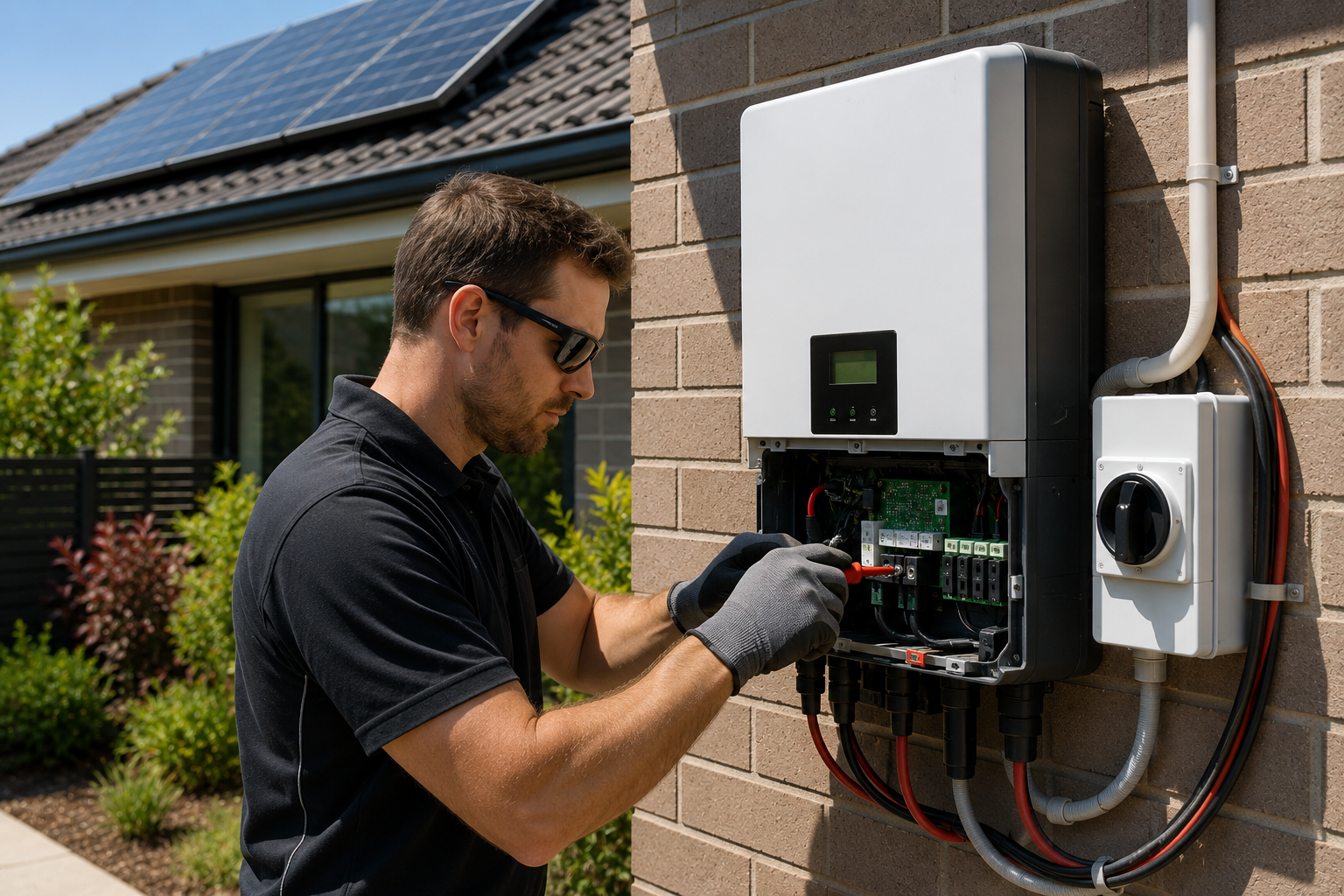
2. Is Your Solar Inverter Showing Repeated Faults?
Your inverter is one of the most important parts of converting the electricity your panels produce into usable power for your home. The user’s attention is drawn to repeated error messages, warning lights or shutdowns, especially where these persist after a reset.
Possible causes include:
| Caution sign | What it might mean |
|---|---|
| Repeated fault code | Inverter or wider system problem |
| Constant shutdowns | Equipment or electrical fault |
| Monitoring failure | Communication or inverter issue |
| Unusual noise or heat | Possible equipment fault |
| System stops generating | Further fault assessment required |
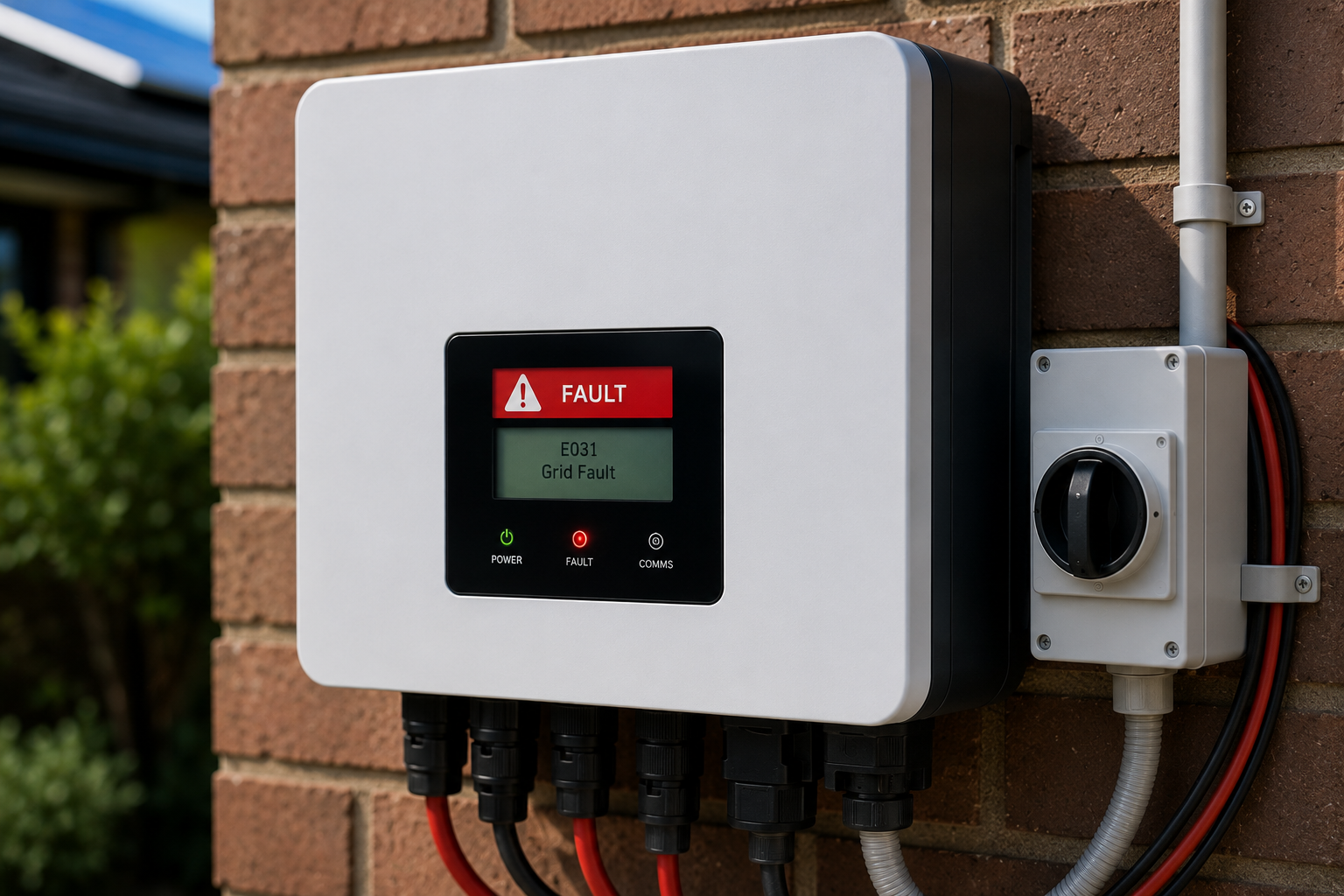
A reset may temporarily restore operation, however, recurring faults must be properly assessed.Solar inverter repair is possible depending on the equipment and fault. In some cases the inverter itself may be better off being replaced.
3. Is Your Existing Equipment Becoming Difficult To Maintain?
Older equipment does not always need replacing. The real concern is a mix of age, recurring faults, poor performance and difficulty keeping it running.
Before making a decision, check:
- The condition of the inverter.
- Panel condition.
- Cabling and electrical connections.
- Protective equipment.
- Previous repair history.
- Compatibility with replacement components.
Many homeowners miss this. The cheapest repair right now is not always the best long-term choice. If several parts are near the end of their life, repeated repairs can become a headache.
A proper assessment can help you tell the difference between a single faulty component and a wider system issue.
4. Has Your Household Started Using More Electricity?
Your energy needs may have changed since your solar system was installed.
Perhaps you have added:
- An electric vehicle.
- Air conditioning.
- A pool or spa.
- More appliances.
- A home office.
- Additional household members.
A system designed around your old electricity use may not match what you need now.
Before you add more solar equipment, consider when your home uses electricity, and how much energy your system produces. You might want to add storage or increase generation depending on your setup.
If you're considering energy storage, a solar battery installation might be relevant. However, battery compatibility and usage pattern should be evaluated before selection.
5. Have You Noticed Damage Or Unusual Electrical Behaviour?
Physical damage, damaged cabling, unusual heat, burning smells, repeated electrical trips or other warning signs need prompt attention.
Do not open electrical equipment or try to repair yourself. Solar installations involve electrical components that need proper knowledge and equipment to assess safely.
A professional can check the condition of your panels, inverter, wiring, connections and associated electrical gear.
Many homeowners miss this. A solar problem can sometimes look like a panel issue when the fault is actually elsewhere in the electrical system. Checking the complete installation gives you a clearer picture.
If you are unsure whether your system needs repair or replacement, start with a solar system inspection rather than guessing.
What Should You Check Before Upgrading Your Solar System?
Before approving replacement work, ask for a clear explanation of your system's condition.
A useful assessment should cover:
- What has failed or changed.
- Whether the problem can be repaired.
- Whether other components need attention.
- What replacement options are compatible.
- What the recommended work will cost.
Enelex provides itemised quotes on request with clear terms. This helps you understand the proposed work before proceeding.
Identify Solar Faults Before Replacing Your System
Conclusion
Lower generation, recurring inverter faults, ageing equipment, increased household demand and physical warning signs all mean your system deserves a closer look.
A solar system upgrade should start with understanding what is happening in your current installation. Enelex Electrical Services can assess the electrical side of your solar setup, explain your options clearly and provide an itemised quote before work begins.
If your solar system has started behaving differently, get the fault assessed early. This will help you make a more informed repair or replacement decision.
FAQs
Can solar panels still work if the inverter fails?
The panels may still be generating electricity, but a failed inverter means that energy is not being converted into usable household AC power. Before any repair or replacement is performed, the system must be checked by a competent electrician.
Does adding more panels always require a new inverter?
Not always. This will depend on the existing inverter, system layout, available capacity and compatibility. An electrician can look at the current installation before advising whether additional panels, inverter modifications or something else is appropriate.
Why am I not getting data from my solar monitoring app?
The monitoring app may stop showing data because of an inverter communication problem, an internet connection problem, a monitoring hardware fault or another system problem. It might be the case that the panels are still working but there is no data, so don’t jump to any conclusions until you have checked the system.
Does my electricity usage warrant an upgrade for a solar system?
It can be worth it when your current system is no longer meeting your household’s energy needs. First, take a look at your recent electricity use, solar generation and times of use. This gives you a better basis for deciding whether to add generation, storage or make other changes.


